



Some luxury brands spend years—and millions—building an image that becomes more valuable than the product itself. But in the world of high-end hospitality, perception is everything, and a single strategic mistake can raise serious questions about a brand’s positioning.
- Nammos Cannes has long been considered one of the French Riviera’s most exclusive destinations. More than just a restaurant or beach club, it has become a global symbol of luxury, attracting billionaires, Hollywood celebrities, shipping magnates and international jet-set clientele willing to pay premium prices for an experience that could not be found anywhere else.
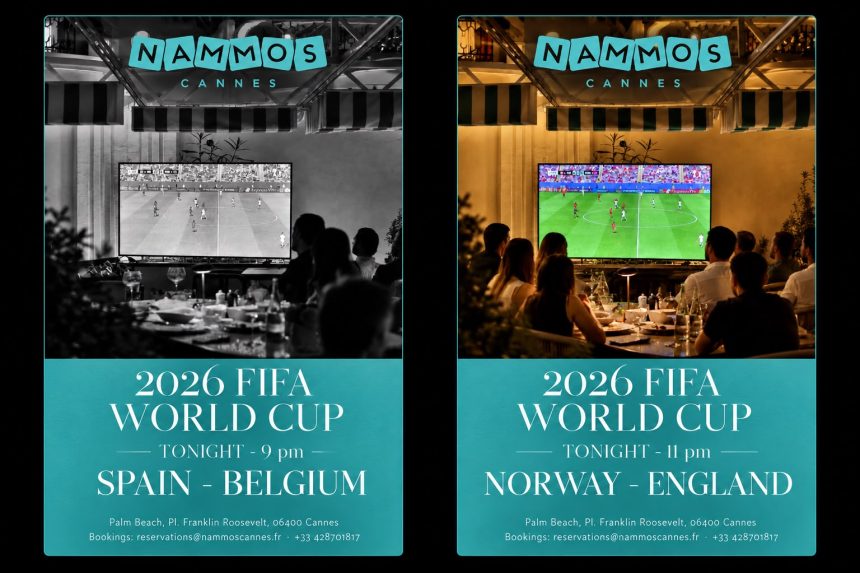
That is why recent promotional posts from the venue’s official social media accounts surprised many observers. Instead of showcasing extravagant parties, world-famous DJs or glamorous celebrity gatherings, the venue promoted live screenings of FIFA World Cup matches, including fixtures such as Spain vs Belgium and Norway vs England.
- Giant screens, tables facing televisions and beer promotions created an atmosphere that many compared more to a neighborhood sports bar than to one of Europe’s most prestigious luxury venues.
The move has sparked discussion among hospitality professionals and business circles familiar with the luxury market. Several industry insiders questioned whether such events align with the carefully cultivated image that made Nammos one of the world’s most recognizable hospitality brands.
- For years, Nammos became synonymous with exclusivity, spectacular entertainment and unforgettable social experiences. Guests visited not merely for dinner, but to become part of a lifestyle that combined fine dining, luxury fashion, elite networking and high-profile nightlife.
The decision to embrace football screenings has prompted debate over whether commercial opportunities are beginning to outweigh brand prestige.
- While major sporting events undoubtedly attract significant audiences and generate revenue, critics argue that ultra-luxury brands risk diluting their identity when they adopt concepts commonly associated with mass-market entertainment.
The discussion has inevitably extended to businessman Petros Stathis, one of the key figures behind the expansion of the Nammos brand. In luxury hospitality, every strategic decision is scrutinized, and the latest move has become a talking point among influential circles in both Mykonos and Cannes.
- Whether the World Cup screenings prove to be a successful commercial strategy or a temporary departure from the brand’s traditional image remains to be seen.
What is certain is that Nammos built its international reputation not by showing the spectacle—but by being the spectacle itself.